Safety data sheet
Ask for the SDS that matches the quoted solids, polymer type and package. Handling, storage and transport decisions follow that SDS plus carrier rules. This page does not provide mixing or trowel-use instructions.
Spec brief
This page is the matching desk for a tile adhesive manufacturer brief. We translate buyer notes into shared quote fields so factories answer resin system, solids, viscosity, color, cure schedule, package net weight, Incoterm and document list against the same line items. Cheap Bulk Tile Adhesive Sourcing remains an independent coordinator and does not present itself as a producer, authorized agent or warehouse holder.
Requirement fields
Items below are intake questions. They are not performance claims, inventory statements or certificates held by this website. A factory that cannot complete a field should leave it open rather than substitute a related mortar or a neighboring VAE grade. When the RFQ mixes finished adhesive with redispersible powder, keep those identities on separate rows so assay, moisture and package net content cannot hide inside one unit price.
Chemical name, CAS number if known, and whether the quote is for finished mortar, polymer powder or a companion additive. Similar names can hide plasticizer or cellulose-ether differences.
Solids, viscosity, density, flash point, color and coverage only where the buyer listed them. Extra parameters that the plant does not use should not be treated as acceptance criteria.
Current SDS, TDS and CoA format for the quoted product. TSCA, REACH, GMP or ISO files stay attached to that supplier and lot. Borrowed competitor paperwork is not accepted as evidence.
Quantity unit, package, Incoterm, freight, duties and destination charges. Optional budget records currency and per-unit or whole-order basis; it is not a verified market index.
SDS, TDS and CoA questions
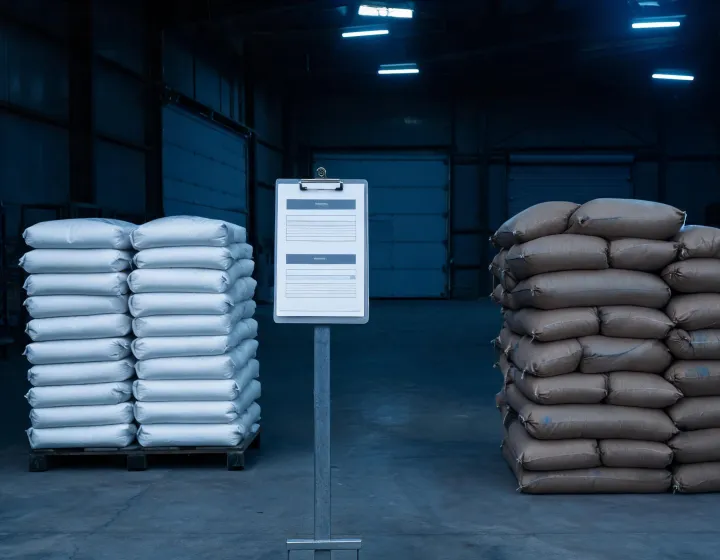
Ask for the SDS that matches the quoted solids, polymer type and package. Handling, storage and transport decisions follow that SDS plus carrier rules. This page does not provide mixing or trowel-use instructions.
The TDS should list resin system, solids, viscosity method, appearance, recommended coverage and cure schedule the factory intends to ship. If the TDS describes a family rather than the quoted item, mark the gap on the comparison sheet.
Request the CoA template or a recent example for the same grade. Lot-specific CoA arrives with or after production; a generic certificate is only a format check, not a released batch.
Particle size, molecular weight and active content become controlling fields when wholesale VAE or another additive is on the same RFQ; include them only when that co-product is actually requested. Trace metals and moisture belong on the VAE line when the formulator already measures them, and should not be copied onto a finished mortar line unless the buyer named those tests.
Cementitious systems often trade lower polymer cost for more water sensitivity, while higher-polymer C2 or S1 mixes can change open time and slip paperwork. Those trade-offs belong in the buyer brief. They are not ranked here as better or worse, because this desk has no plant trial data and does not select a process for the buyer.
List the mortar or VAE identity, bag or pail preference, US city and the SDS/TDS/CoA files you still need. The desk then asks plants for written answers on that same sheet. We do not post a reply clock or claim warehouse bags.